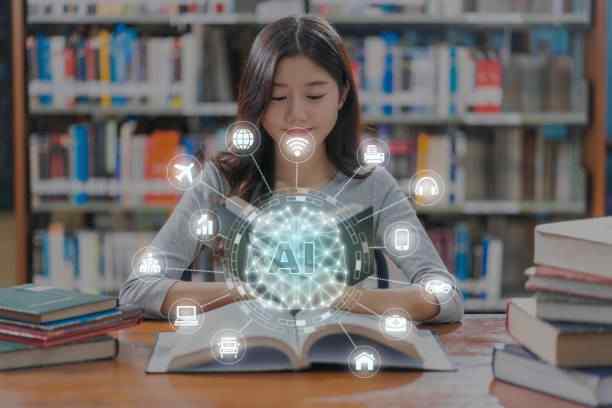
Artificial Intelligence (AI) refers to the ability of machines to mimic human intelligence—learning from data, recognizing patterns, solving problems, and making decisions. In simple terms, AI enables computers to “think” and act in ways that resemble human behavior.
At its core, AI combines two powerful technologies:
- Machine Learning (ML): Systems learn from data and improve over time without being explicitly programmed.
- Deep Learning: A more advanced form of ML that processes vast amounts of unstructured data such as images, videos, and text.
Together, these technologies allow machines to understand their environment, analyze information, and take action to achieve specific goals.
Where Is AI Used? Key Applications in Business
AI is transforming how businesses operate across industries. From automation to personalization, its impact is widespread and growing.
Manufacturing
AI-powered industrial robots streamline production by automating repetitive tasks and minimizing human error. These robots handle:
- Assembly and precision welding
- Painting and product inspection
- Picking, placing, and packaging
- Drilling, grinding, and die casting
This allows human workers to focus on more strategic and creative tasks.
Marketing
AI helps businesses deliver highly targeted and personalized marketing campaigns. By analyzing user behavior and preferences, companies can:
- Create tailored advertisements
- Optimize campaign performance
- Generate detailed analytics reports
- Use chatbots to interact with customers in real time
Warehouse & Inventory Management
AI-driven robotics and computer vision systems are revolutionizing logistics. These systems can:
- Identify and handle objects accurately
- Automate picking, packing, and transportation
- Perform dangerous or physically demanding tasks
This improves efficiency while reducing operational risks.
E-commerce
AI enhances the online shopping experience through:
- Personalized product recommendations
- Predictive shopping behavior analysis
- Sentiment analysis from customer reviews
- Fraud detection and prevention
It also plays a major role in managing inventory and logistics.
Human Resources (HR)
AI streamlines HR processes, making them faster and more effective:
- Identifying the best candidates
- Predicting employee performance
- Automating onboarding tasks
- Improving employee retention
AI in Other Industries
Healthcare
AI is helping detect diseases earlier, analyze medical data, and accelerate drug discovery. It can identify patterns in large datasets that humans might miss, improving diagnostics and treatment outcomes.
Autonomous Vehicles
Self-driving and semi-autonomous vehicles use AI to interpret data from cameras, sensors, and GPS. This enables features like:
- Collision avoidance
- Automatic parking
- Lane assistance and navigation
Robotics
AI-powered robots are widely used in manufacturing and logistics. They can adapt to tasks using real-time data and reduce risks in hazardous environments.
Drones
Modern drones rely on AI for navigation and object detection. They are used in industries like agriculture, surveillance, and delivery services.
Cybersecurity
AI enhances security by quickly identifying threats such as malware, suspicious activity, and cyberattacks. It can analyze patterns and respond faster than traditional systems.
Education
AI supports both teachers and students by:
- Automating administrative tasks
- Providing personalized learning experiences
- Enabling virtual assistants and digital learning tools
Agriculture
Farmers use AI to monitor soil health, detect crop issues, and automate harvesting. This leads to higher efficiency and better yields.
Gaming
AI speeds up game development by generating characters, environments, and story elements. It also improves gameplay through smarter, adaptive in-game behavior.
AI in Everyday Life
Even if you don’t notice it, AI is part of your daily routine.
Spam Filters
Email services use AI to filter unwanted messages with near-perfect accuracy.
Facial Recognition
Used in smartphones and security systems to identify users and enhance safety.
Recommendation Systems
Platforms suggest content, products, or media based on your preferences and behavior.
Virtual Assistants
Voice assistants can understand commands, answer questions, and perform tasks using AI.
Streaming Services
Apps recommend movies, shows, and music based on your viewing habits while optimizing streaming performance.
Final Thoughts
Artificial Intelligence has evolved rapidly from its early beginnings in the 1950s to become a cornerstone of modern technology. Today, it powers innovation across industries and continues to reshape how businesses and individuals operate.
As AI advances, its applications will only expand—making systems smarter, processes faster, and user experiences more personalized. For businesses, adopting AI is no longer optional; it’s a strategic necessity.